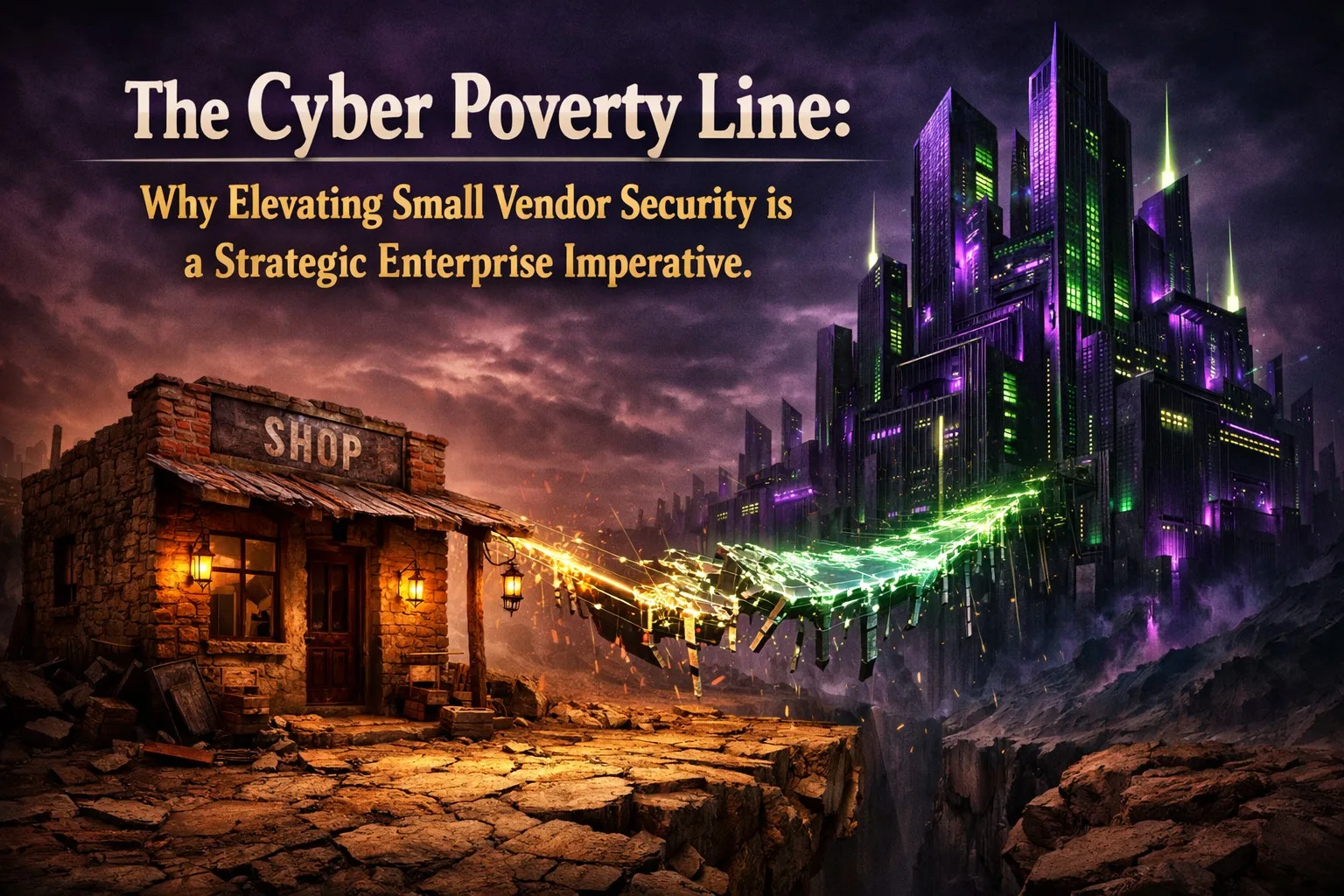
Why do so many boardrooms still treat cybersecurity as a line item on an insurance policy? It’s a question that keeps modern leaders awake at night. The prevailing wisdom has long been to spend just enough to avoid disaster. But what if that entire model is fundamentally flawed? A 2024 Deloitte survey reveals a seismic shift in perspective among the most successful organizations: 86% of ‘cyber-mature’ companies now view their security posture as a clear competitive advantage. They aren’t just preventing loss. They are actively creating value. For them, security is not a shield. It’s a strategic engine for growth, and by 2026, this perspective won’t be a choice; it will be a prerequisite for survival and market leadership.
The disconnect often begins with language. For decades, security leaders have been forced to justify their existence by speaking in terms of threats mitigated and attacks thwarted. This defensive crouch, while necessary, has inadvertently framed security as a barrier to innovation and a drain on resources. We are trapped in a cycle of justifying budgets based on fear rather than articulating value based on opportunity. This article charts the course for a new conversation. It provides a strategic framework for transforming your security program from a perceived cost center into what it must become: the most powerful security as a business enabler in your organization’s arsenal.
From Cost Avoidance to Value Creation: Reframing the Boardroom Conversation
To change the outcome, you must first change the conversation. The paradigm shift from cost center to business enabler begins when we reframe security’s core purpose in the language of business value. This isn’t about semantics. It’s about fundamentally realigning security objectives with corporate objectives.
How do we accomplish this? We stop leading with conversations about threats and start leading with conversations about opportunity. Instead of detailing the financial fallout of a potential data breach, we must articulate how a robust security posture accelerates digital transformation. We explain that a secure-by-design approach allows for faster, more confident product development, reducing technical debt and costly retrofitting down the line. We present security not as a department that says “no,” but as the strategic partner that shows the business how to say “yes” safely and sustainably.
This reframing directly combats the pain point of security being seen as a blocker. When the C-suite understands that a well-architected security program enables quicker market entry, safer AI adoption, and more resilient supply chains, the budget conversation transforms. The question is no longer “How much must we spend to be compliant?” but rather “How much should we invest to build a market-leading, trust-based brand?” This proactive stance is the essence of treating security as a business enabler.
The New Metrics of Success: Measuring Security’s Contribution to Growth
If the conversation is to change, so must the metrics. Traditional security KPIs like “number of threats blocked” or “time to patch” are operationally vital but fail to resonate in the boardroom. They describe defensive actions, not business contributions. To demonstrate security’s role in value creation, we need a new scorecard aligned with growth.
Consider these forward-looking metrics:
- Customer Trust and Brand Loyalty: Trust is a tangible asset. As IBM’s research shows, high customer trust directly correlates with lower data breach costs. But its value extends far beyond that. We can measure this through Net Promoter Scores (NPS) that specifically ask about data security, or by tracking customer retention rates after a security feature is announced. When customers choose your platform because they believe their data is safer, that is a direct ROI.
- Sales Cycle Velocity: In B2B environments, a strong security posture can be a powerful sales tool. When your security documentation and certifications are clear, comprehensive, and exceed industry standards, you shorten the due diligence phase of the sales process. Tracking the time it takes to close deals where security is a key decision factor provides a direct line from security investment to revenue.
- Innovation Enablement: How quickly can your organization adopt new technologies? Companies that embed security into their digital transformation initiatives are 2.5 times more likely to be top performers. A key metric, therefore, is the time-to-market for new products and services that have security built in from the ground up, not bolted on at the end. This demonstrates that security is accelerating, not hindering, innovation.
These metrics shift the focus from preventing negative outcomes to enabling positive ones, making the case for security as a business enabler in the language every executive understands: growth, revenue, and market position.
Building for Tomorrow: How Security Architecture Fuels Innovation
From a strategic perspective, today’s security investments are the foundation for tomorrow’s business model. Think of your security architecture not as a wall, but as the structural framework for a skyscraper. A weak foundation can only support a few floors. A strong, intelligently designed foundation can support limitless ambition, including future innovations like large-scale AI integration, IoT ecosystems, and global market expansion.
A ‘secure by design’ philosophy means that security is not an afterthought but a foundational component of every new initiative. When you plan to integrate advanced AI, for example, a robust identity and access management (IAM) system, encrypted data pipelines, and a zero-trust architecture are not optional add-ons. They are the essential enablers that allow you to leverage that technology confidently and ethically. Without this foundation, any attempt to innovate is built on sand, exposing the organization to catastrophic risk.
This approach turns the traditional dynamic on its head. Instead of security teams scrambling to catch up with business initiatives, they become strategic advisors at the planning stage. They help select more secure vendors, design more resilient products, and build systems that are flexible enough to adapt to future threats and opportunities. This proactive engagement ensures that the organization can move faster and more decisively than its competitors, seizing market opportunities while others are mired in security-related delays.
The Enterprise Value of Embedding ‘Secure by Design’
What is the ultimate, long-term enterprise value of making this shift? It is the creation of a resilient, adaptable, and trusted organization. A ‘secure by design’ philosophy, when truly embedded in the corporate DNA, transcends technology. It becomes a cultural touchstone.
It cultivates a workforce that is security-aware and empowered, reducing the risk of human error. It attracts top-tier engineering and executive talent who want to work for a company that is serious about building things the right way. Most importantly, it builds a brand that is synonymous with trust. In an increasingly digital world, trust is the ultimate currency. Customers, partners, and investors are drawn to organizations that demonstrate a deep, structural commitment to protecting their interests.
This is not a one-time project. It’s a fundamental change in organizational philosophy. It’s the recognition that in the digital economy of 2026 and beyond, the most secure companies will also be the most innovative, the most trusted, and the most successful. The long-term enterprise value is not just the avoidance of fines or reputational damage. It is the establishment of an enduring competitive advantage that is incredibly difficult for others to replicate.
The transition is challenging, but the choice is stark. Organizations can continue to view security as a necessary evil, a cost to be minimized, and an inhibitor to speed. Or they can join the ranks of the cyber-mature, leveraging security as a business enabler to build a faster, stronger, and more trusted enterprise. The market of tomorrow will not wait for laggards to catch up. The time to build the foundation for 2026 is now.
Is your security program a business enabler or a cost center? Contact us for a strategic assessment to align your security posture with your core business objectives.

A PhD candidate in Health Psychology and former Corrections Officer, Jeff founded GTA to dismantle passive security models. He focuses on the 'Human Zero-Day', mitigating executive burnout and decision fatigue before they become security breaches.