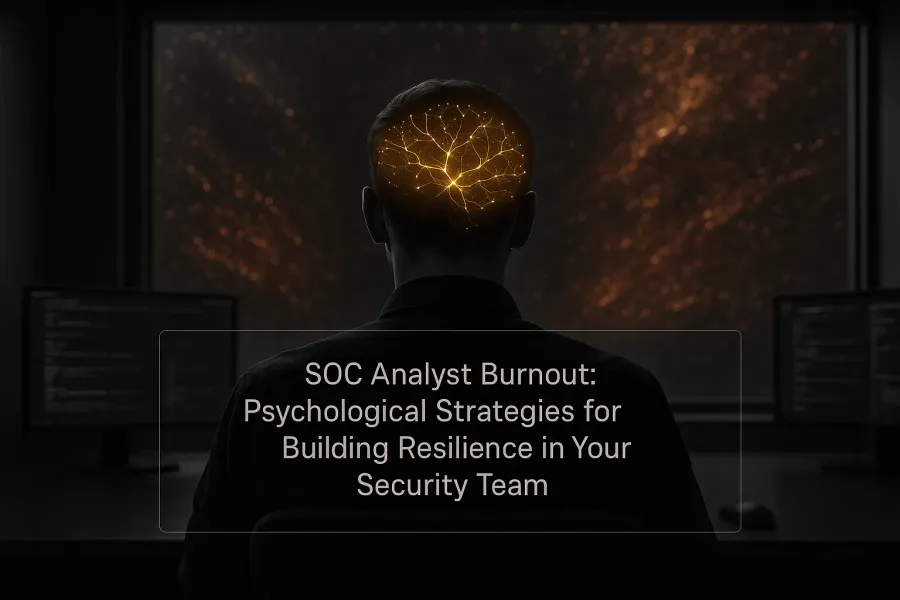
Does it feel like your Security Operations Center is a revolving door? You invest heavily in training skilled analysts, only to see them leave, taking their invaluable institutional knowledge with them. This isn’t a simple HR issue. It’s a critical operational risk. When a 2023 survey by Tines finds that a staggering 66% of security professionals experience significant stress, we must stop treating the human element as a soft skill and start managing it as the core of our defense.
The constant pressure, the endless alerts, the weight of protecting an entire organization: it creates a perfect storm for SOC analyst burnout. This isn’t just about feeling tired. It’s a state of emotional, physical, and mental exhaustion that directly degrades your security posture. A burnt-out analyst is more likely to miss a critical threat. A fatigued team is a vulnerable team. As leaders, it’s our responsibility to look beyond the dashboards and address the psychological architecture of our security operations.
The Psychology Behind Analyst Fatigue
To effectively combat SOC analyst burnout, we first have to understand its unique psychological roots. It’s more than just long hours. It’s the specific cognitive and emotional load that defines the role. The primary drivers are not failures of the individual, but consequences of the environment.
First is cognitive overload. Modern SOCs are firehoses of information. Analysts must triage a relentless stream of alerts, separating the noise from the genuine threats. Research confirms this is a primary driver of analyst fatigue. Think of it like being an air traffic controller responsible for thousands of planes in a perpetual storm, where a single mistake could be catastrophic. The brain isn’t designed for this level of sustained, high-stakes vigilance. Over time, decision fatigue sets in, reaction times slow, and the risk of a false negative, a missed threat, skyrockets.
Second is the pressure of hypervigilance. Analysts are paid to be paranoid. They are trained to look for the worst-case scenario in every data point. This mindset is effective for threat hunting, but it’s incredibly taxing to maintain for eight to twelve hours a day. It’s difficult to simply switch off this heightened state of alert at the end of a shift. This can lead to chronic stress, anxiety, and an inability to mentally disconnect and recharge, which is a core component of burnout.
Finally, there is a sense of futility or lack of agency. Analysts often see the same vulnerabilities exploited repeatedly or find their recommendations for systemic fixes lost in corporate bureaucracy. They are on the front lines of a battle but often feel powerless to influence the strategic defense. This disconnect between responsibility and authority is a classic recipe for professional burnout in any field, but in security, the stakes are exponentially higher.
Building a Resilient SOC: Tangible Leadership Programs
Recognizing the problem is one thing. Fixing it requires deliberate, structured intervention. The good news is that organizations with formal support programs report higher employee retention. Building resilience isn’t about telling your team to be tougher. It’s about changing the operational environment to protect their mental and emotional well-being. Here are tangible strategies leaders can implement.
1. Engineer Cognitive Offloading
You cannot expect your team to manually process an ever-growing volume of data. Invest in and properly configure tools that automate repetitive tasks. Security Orchestration, Automation, and Response (SOAR) platforms are not just efficiency tools; they are mental health tools. By automating the initial triage of low-level alerts, you free up your analysts’ cognitive capacity to focus on complex, high-stakes investigations. This reduces the noise and allows them to do the engaging work they were hired for, transforming their role from alert-sifters to genuine threat-hunters.
2. Implement Structured Downtime and Rotations
No one can operate at peak performance without rest. Build structured downtime into the workflow. This means more than just a lunch break. Implement a policy of mandatory short breaks away from the screen every hour or two. Create a rotation schedule that moves analysts between different roles within the SOC. For example, an analyst who has been on high-alert triage for a week could be rotated to a project focused on threat intelligence research, tool maintenance, or documentation. This changes the mental demand and provides a necessary reprieve from the relentless pressure of the alert queue.
3. Foster a Culture of Psychological Safety
Your team needs to know it’s okay to not be okay. Leaders must actively create an environment where an analyst can raise their hand and say, “I’m feeling overwhelmed,” or “I need a second pair of eyes on this,” without fear of judgment. This starts at the top. When managers openly discuss the pressures of the job and normalize conversations about mental health, it gives the team permission to be human. A culture of psychological safety means mistakes are treated as learning opportunities, not reasons for blame. This reduces fear and encourages the collaboration needed to catch sophisticated threats.
4. Establish Formal Mentorship Programs
Don’t leave career growth and support to chance. A formal mentorship program is a powerful tool against burnout. Pairing junior analysts with experienced veterans provides a safe channel for asking questions, learning technical skills, and navigating the stresses of the job. For the mentor, it provides a sense of purpose and a way to pass on their knowledge. For the mentee, it reduces the feeling of isolation and accelerates their confidence and competence. This builds stronger, more connected teams and is a proven factor in increasing employee retention.
Measuring What Matters: Tracking Team Well-Being
As leaders, we manage what we measure. If we’re serious about preventing SOC analyst burnout, we need to track metrics beyond alert closures and response times. We must also measure the well-being of our team.
Start with quantitative indicators you likely already have. What is your analyst turnover rate? A high rate is the most obvious sign of a systemic problem. Look at trends in absenteeism. Are people taking more sick days? Track metrics like Mean Time to Resolution (MTTR). A consistent increase in the time it takes to handle incidents can be an indicator of a fatigued, overworked team.
Next, implement qualitative measures. Anonymous, regular pulse surveys are invaluable. Ask direct questions about perceived stress levels, workload balance, and confidence in the team’s support systems. The key is to make them short, frequent, and anonymous to encourage honest feedback. Most importantly, you must act on the results and communicate the changes you’re making back to the team. Nothing kills morale faster than asking for feedback and then ignoring it.
Finally, make well-being a standard topic in your one-on-one meetings. These conversations shouldn’t just be about performance and project status. Ask your people directly: How is your workload? What part of your job is causing the most stress? What can I do to better support you? These conversations build trust and provide the real-time insights you need to intervene before stress escalates into full-blown burnout.
Your SOC is not a machine. It’s a complex, human-centric system. The psychological resilience of your analysts is as critical a defense as any firewall or intrusion detection system. By understanding the root causes of their stress, implementing supportive programs, and actively measuring their well-being, you can break the costly cycle of burnout. In the near future, AI will undoubtedly take on more of the repetitive analytical burden, but it will only heighten the need for sharp, engaged, and resilient human experts to manage the most complex threats. Building that human resilience today is the best investment you can make in your organization’s long-term security.
Learn how to build a more resilient and effective security team by focusing on the human element. Contact us for a consultation on behavioral security operations.
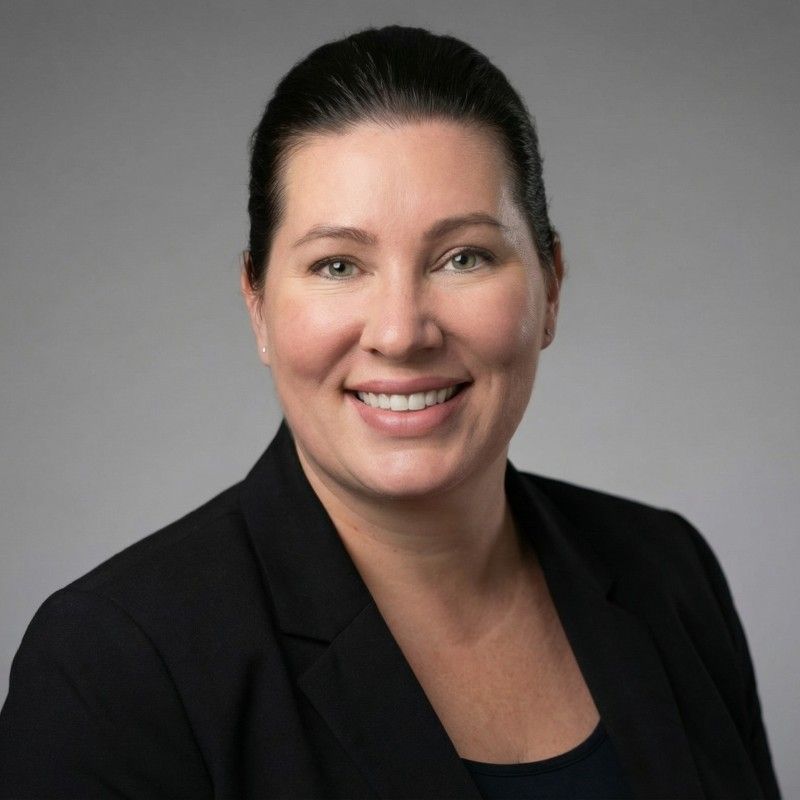
With a dual background in I/O Psychology (PhD Candidate) and Business Management (MBA), Marie bridges the gap between clinical rigor and operational strategy. She oversees B2B relations, compliance, and the 'business' of risk management.